

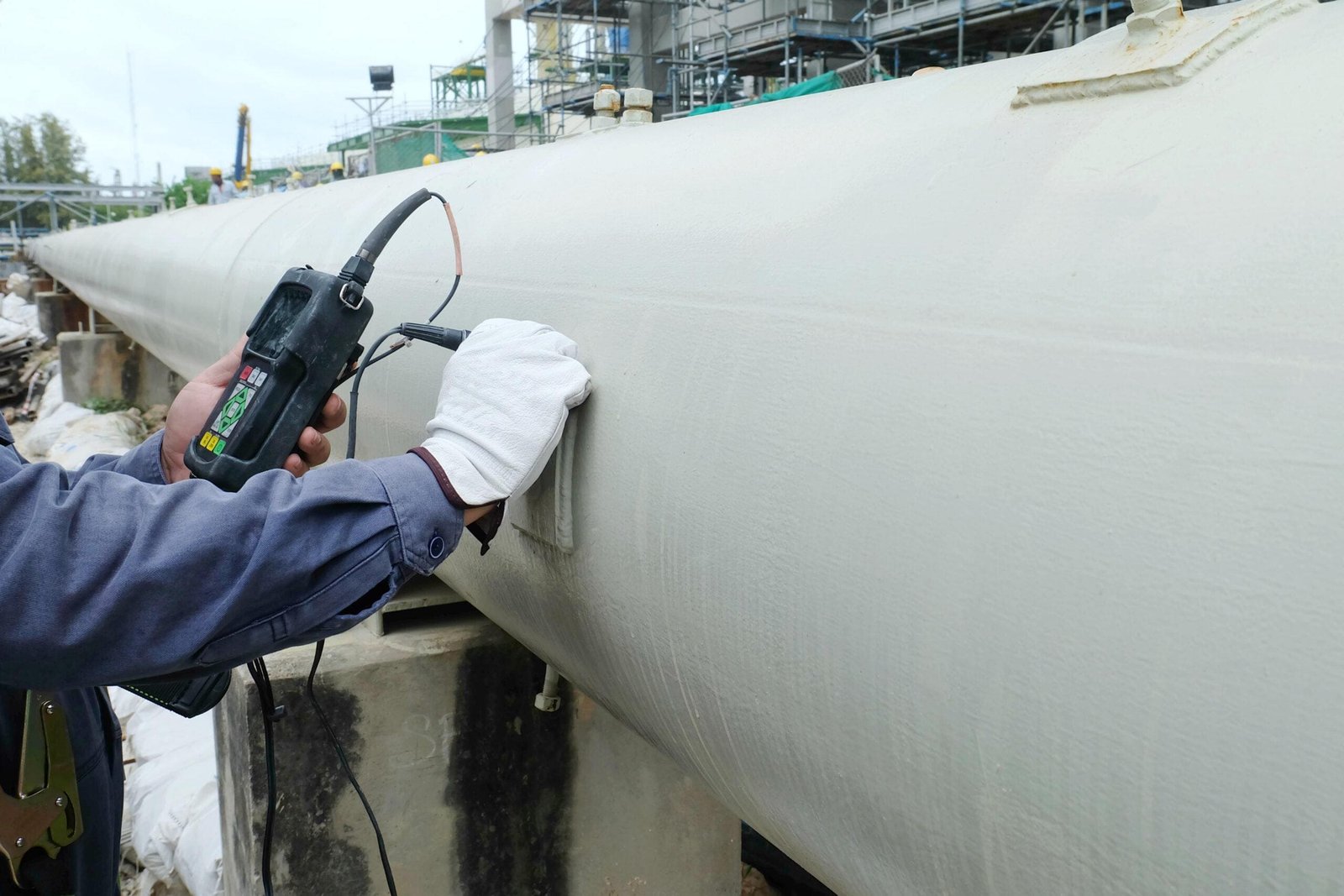
Why Preventive Maintenance is Critical in Oil and Gas Pipeline Systems
Introduction
In the oil and gas industry, pipelines are essential assets responsible for transporting crude oil, natural gas, and refined products across vast distances. However, without proper care, these pipelines are vulnerable to corrosion, leaks, and unexpected failures.
This is where preventive maintenance becomes critical. Instead of waiting for failures to occur, preventive maintenance focuses on proactively identifying and fixing issues before they escalate.
For companies like Greenspan Concepts, adopting preventive maintenance strategies ensures operational efficiency, safety, and long-term cost savings.
What is Preventive Maintenance in Pipeline Systems?
Preventive maintenance refers to regular inspection, monitoring, and servicing of pipelines to prevent breakdowns and extend their lifespan.
Key Components:
- Scheduled inspections
- Routine servicing
- Early fault detection
- Performance monitoring
- Data-driven maintenance planning
Unlike reactive maintenance, which deals with problems after they occur, preventive maintenance helps avoid costly disruptions altogether.
Why Preventive Maintenance is Essential in Oil & Gas Pipelines
1. Reduces Risk of Pipeline Failures
Pipeline failures can lead to catastrophic consequences, including explosions, leaks, and environmental damage. Preventive maintenance helps detect:
- Corrosion
- Cracks
- Pressure abnormalities
- Weak joints
By addressing these issues early, companies can significantly reduce failure risks.
2. Enhances Safety Standards
Safety is a top priority in the oil and gas industry. Poorly maintained pipelines pose risks to:
- Workers
- Communities
- The environment
Regular maintenance ensures compliance with safety regulations and minimizes accidents.
3. Minimizes Operational Downtime
Unexpected pipeline failures can halt operations, leading to significant revenue loss.
Preventive maintenance helps:
- Keep systems running smoothly
- Avoid emergency shutdowns
- Maintain consistent production levels
4. Extends Pipeline Lifespan
Pipelines are long-term investments. Without proper maintenance, their lifespan can be drastically reduced.
Preventive measures such as:
- Coating applications
- Corrosion control
- Regular inspections
help extend the operational life of pipelines, saving costs in the long run.
5. Reduces Maintenance Costs Over Time
While preventive maintenance requires upfront investment, it is far more cost-effective than emergency repairs.
Cost Comparison:
| Maintenance Type | Cost Impact |
|---|---|
| Reactive Maintenance | High (unexpected repairs) |
| Preventive Maintenance | Lower (planned expenses) |
Early detection prevents small issues from becoming major, expensive problems.
6. Improves Environmental Protection
Oil spills and gas leaks can have devastating environmental impacts. Preventive maintenance helps:
- Detect leaks early
- Prevent contamination
- Ensure regulatory compliance
This protects ecosystems and enhances company reputation.
7. Supports Regulatory Compliance
Governments and regulatory bodies enforce strict standards for pipeline operations. Preventive maintenance ensures compliance with:
- Safety regulations
- Environmental laws
- Industry standards
Failure to comply can result in heavy fines and legal consequences.
Key Preventive Maintenance Techniques Used in Pipeline Systems
1. Routine Pipeline Inspection
Regular inspections help identify potential issues before they worsen.
Methods:
- Visual inspections
- Smart pigging technology
- Pressure testing
2. Corrosion Monitoring and Control
Corrosion is a leading cause of pipeline failure.
Preventive Measures:
- Protective coatings
- Cathodic protection systems
- Chemical inhibitors
3. Leak Detection Systems
Advanced technologies are used to detect leaks early.
Examples:
- Acoustic sensors
- Fiber optic systems
- SCADA monitoring
4. Data-Driven Maintenance (AI & IoT)
Modern pipelines use smart technologies to monitor performance in real time.
Benefits:
- Predictive maintenance
- Real-time alerts
- Improved decision-making
5. Cleaning and Pigging Operations
Pipeline cleaning removes debris and buildup that can cause blockages or corrosion.
Benefits:
- Improves flow efficiency
- Reduces internal damage
- Enhances inspection accuracy
Challenges of Preventive Maintenance (and How to Overcome Them)
Common Challenges:
- High initial investment
- Access to remote locations
- Skilled workforce requirements
Solutions:
- Use of automated technologies
- Proper maintenance planning
- Partnering with experienced companies like Greenspan Concepts
Why Choose Greenspan Concepts for Pipeline Maintenance?
Greenspan Concepts delivers reliable and efficient maintenance solutions through:
- Experienced engineers and technicians
- Advanced inspection technologies
- Strict adherence to safety standards
- Cost-effective maintenance strategies
We help clients prevent failures, reduce costs, and maximize pipeline performance.
Conclusion
Preventive maintenance is no longer optional—it is a necessity in modern oil and gas operations. By adopting proactive strategies, companies can:
- Improve safety
- Reduce downtime
- Lower maintenance costs
- Protect the environment
Investing in preventive maintenance today ensures long-term reliability and operational success.