

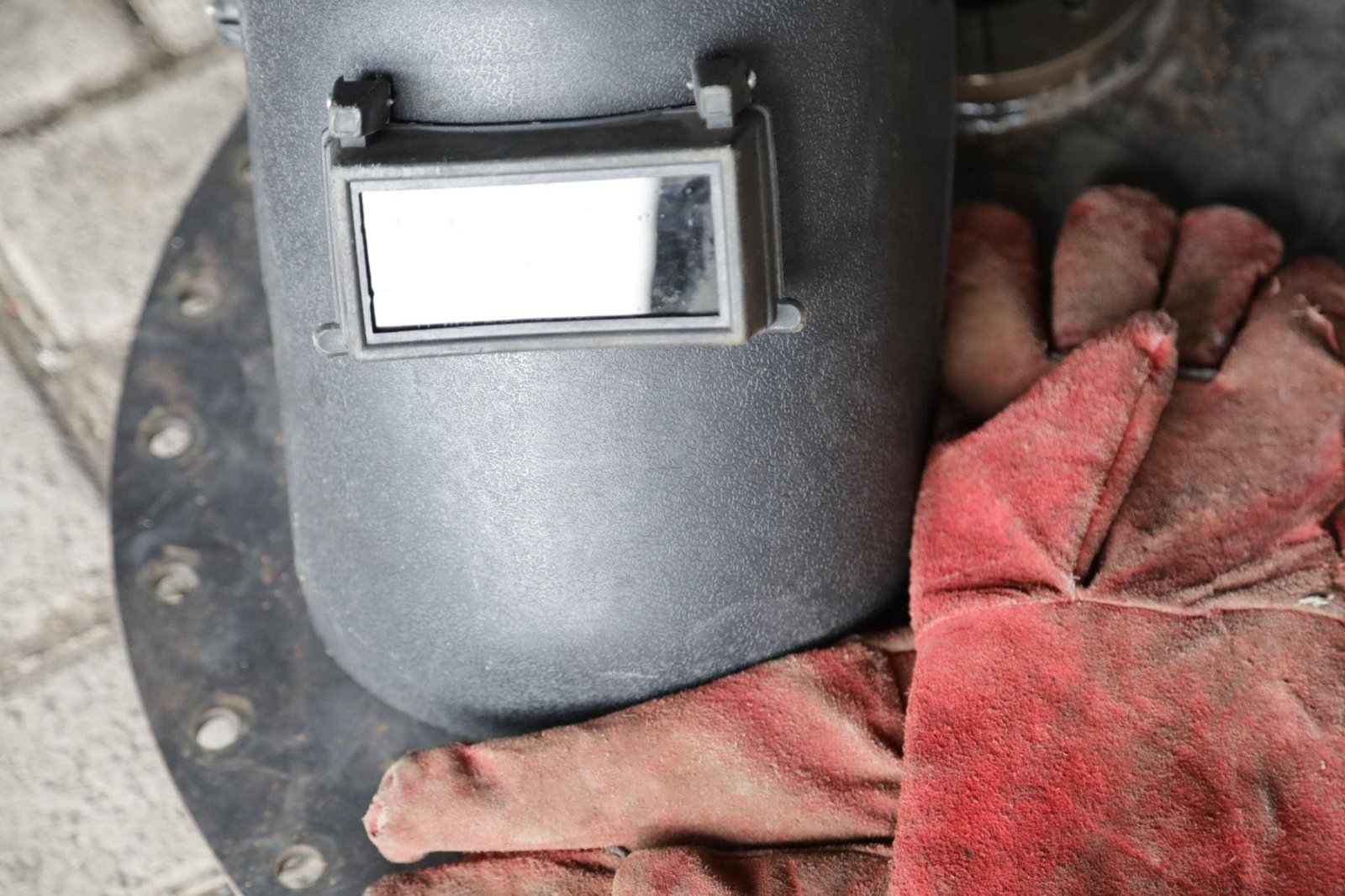
Safety Best Practices in Pipeline Construction and Maintenance
Introduction
Safety is a top priority in the oil and gas industry, especially during pipeline construction and maintenance operations. These activities often involve hazardous environments, heavy equipment, high pressure systems, and potentially dangerous materials.
Implementing strict safety best practices is essential to protect workers, the environment, and infrastructure. At Greenspan Concepts, safety is at the core of every project we execute, ensuring compliance with industry standards and minimizing risks.
In this article, we explore the most important safety best practices in pipeline construction and maintenance.
Why Safety is Critical in Pipeline Projects
Pipeline-related incidents can lead to:
- Serious injuries or fatalities
- Environmental damage
- Financial losses
- Legal and regulatory consequences
A strong safety culture helps prevent accidents and ensures smooth project execution.
1. Conduct Comprehensive Risk Assessments
Overview
Before starting any project, it is essential to identify potential hazards and risks.
Key Steps:
- Site evaluation
- Hazard identification
- Risk analysis
- Implementation of control measures
Benefits:
- Prevents accidents
- Improves planning
- Enhances worker awareness
2. Ensure Proper Training and Certification
Overview
All personnel involved in pipeline operations must be properly trained.
Training Areas:
- Equipment operation
- Safety procedures
- Emergency response
- Hazard awareness
Benefits:
- Reduces human error
- Improves efficiency
- Enhances safety compliance
3. Use Personal Protective Equipment (PPE)
Overview
PPE is essential for protecting workers from hazards.
Common PPE:
- Helmets
- Safety boots
- Gloves
- Flame-resistant clothing
- Eye protection
Best Practice:
Always ensure PPE is properly fitted and regularly inspected.
4. Implement Safe Work Procedures
Overview
Standard Operating Procedures (SOPs) ensure tasks are performed safely and consistently.
Examples:
- Lockout/Tagout procedures
- Safe welding practices
- Equipment handling protocols
Benefits:
- Reduces accidents
- Improves workflow
- Ensures compliance
5. Maintain Equipment Regularly
Overview
Faulty equipment can lead to serious accidents.
Key Practices:
- Routine inspections
- Preventive maintenance
- Immediate repair of defects
Benefits:
- Improves reliability
- Reduces risk of failure
- Enhances operational safety
6. Monitor Environmental Conditions
Overview
Environmental factors can impact safety during pipeline operations.
Factors to Monitor:
- Weather conditions
- Soil stability
- Water levels (in swamp areas)
Benefits:
- Prevents unexpected hazards
- Improves decision-making
7. Establish Emergency Response Plans
Overview
Every project should have a clear emergency response plan.
Key Elements:
- Evacuation procedures
- First aid readiness
- Fire response systems
- Communication protocols
Benefits:
- Quick response to incidents
- Minimizes damage and injuries
8. Ensure Proper Communication
Overview
Clear communication is essential for safe operations.
Tools Used:
- Radios
- Safety briefings
- Signage
Benefits:
- Prevents misunderstandings
- Improves coordination
- Enhances safety awareness
9. Follow Regulatory and Industry Standards
Overview
Compliance with regulations is mandatory in pipeline projects.
Examples:
- Safety regulations
- Environmental laws
- Industry best practices
Benefits:
- Avoids legal issues
- Ensures high safety standards
10. Promote a Strong Safety Culture
Overview
Safety should be a shared responsibility across all levels of the organization.
How to Build Safety Culture:
- Encourage reporting of hazards
- Conduct regular safety meetings
- Reward safe practices
Benefits:
- Continuous improvement
- Increased accountability
- Safer work environment
How Greenspan Concepts Ensures Safety Excellence
At Greenspan Concepts, we prioritize safety by:
- Implementing strict safety protocols
- Providing continuous training for staff
- Using modern, well-maintained equipment
- Conducting regular safety audits
Our commitment ensures that every project is executed with maximum safety and efficiency.
Benefits of Following Safety Best Practices
1. Reduced Workplace Accidents
Proper safety measures significantly lower the risk of incidents.
2. Improved Productivity
Safe environments enable workers to perform efficiently.
3. Cost Savings
Fewer accidents mean reduced repair and compensation costs.
4. Enhanced Reputation
Companies known for safety attract more clients and partnerships.
Conclusion
Safety is not optional in pipeline construction and maintenance—it is a necessity. By implementing best practices, companies can protect their workforce, environment, and assets while ensuring successful project delivery.
With Greenspan Concepts, you can trust that safety remains a top priority in every operation, delivering reliable, efficient, and secure pipeline solutions.