

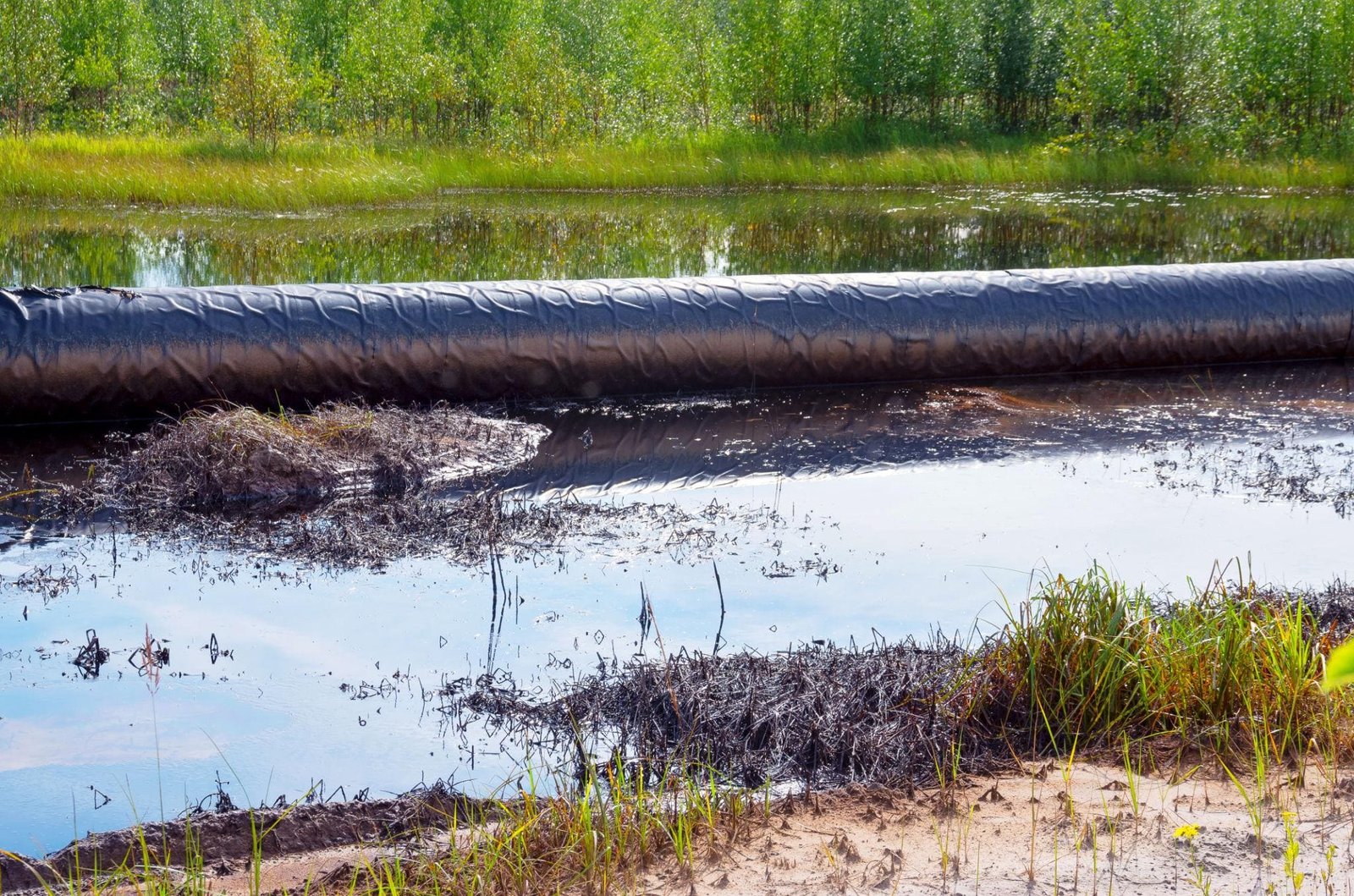
Common Pipeline Failures and How Greenspan Concepts Solves Them
Introduction
Pipelines are critical infrastructure in the oil and gas industry, responsible for transporting valuable resources safely and efficiently. However, pipeline failures remain a major challenge, often leading to production downtime, environmental damage, and financial losses.
Understanding the common causes of pipeline failure and how to effectively address them is essential for maintaining operational efficiency. At Greenspan Concepts, we specialize in diagnosing and resolving pipeline issues using advanced technologies and industry best practices.
In this article, we’ll explore the most common pipeline failures and how they can be solved.
What Causes Pipeline Failures?
Pipeline failures can occur due to a combination of factors, including:
- Aging infrastructure
- Corrosion and material degradation
- Poor installation practices
- External interference
- Lack of proper maintenance
Identifying these issues early is key to preventing catastrophic damage.
1. Corrosion (Internal and External)
Overview
Corrosion is the leading cause of pipeline failure worldwide. It occurs when metal reacts with environmental elements such as water, oxygen, or chemicals.
Types of Corrosion:
- Internal corrosion (caused by transported fluids)
- External corrosion (caused by soil and environment)
Effects:
- Wall thinning
- Leaks and ruptures
- Structural weakness
How Greenspan Concepts Solves It:
- Application of protective coatings
- Cathodic protection systems
- Regular corrosion monitoring and inspections
2. Mechanical Damage
Overview
Mechanical damage occurs due to external forces such as:
- Excavation activities
- Heavy equipment impact
- Accidental hits during construction
Effects:
- Dents
- Cracks
- Immediate pipeline failure
Our Solution:
- Installation of protective barriers
- Rapid clamp and sleeve repairs
- Use of advanced inspection tools to detect hidden damage
3. Welding and Fabrication Defects
Overview
Poor welding during pipeline installation can create weak points that fail over time.
Common Issues:
- Incomplete weld penetration
- Cracks in weld joints
- Poor material fusion
Effects:
- Reduced pipeline strength
- Leakage under pressure
How We Fix It:
- Non-destructive testing (NDT)
- Re-welding using certified procedures
- Strict quality control during fabrication
4. Material and Manufacturing Defects
Overview
Sometimes pipelines fail due to defects in the materials used during manufacturing.
Examples:
- Weak steel composition
- Faulty pipe sections
- Manufacturing inconsistencies
Effects:
- Early failure
- Reduced durability
Greenspan Concepts Approach:
- Thorough material inspection
- Replacement of defective sections
- Use of high-quality, industry-approved materials
5. Operational Errors
Overview
Human error during pipeline operation can lead to serious issues.
Examples:
- Over-pressurization
- Incorrect valve operation
- Poor monitoring
Effects:
- Sudden pipeline bursts
- System inefficiencies
Our Solution:
- Operator training programs
- Automated monitoring systems
- Implementation of safety protocols
6. Natural Hazards and Environmental Factors
Overview
Environmental conditions can significantly impact pipeline integrity.
Examples:
- Flooding
- Landslides
- Soil movement
- Temperature changes
Effects:
- Pipeline displacement
- Structural stress
- Ruptures
How We Address It:
- Geotechnical assessments
- Flexible pipeline design solutions
- Continuous environmental monitoring
7. Blockages and Flow Restrictions
Overview
Blockages can occur due to debris, wax buildup, or foreign materials inside pipelines.
Effects:
- Reduced flow efficiency
- Increased pressure
- Potential rupture
Greenspan Concepts Solution:
- Routine pigging operations
- Chemical cleaning
- Flow monitoring systems
8. Aging Infrastructure
Overview
Older pipelines are more prone to failure due to wear and tear over time.
Effects:
- Increased maintenance needs
- Higher failure risk
Our Approach:
- Pipeline rehabilitation programs
- Sectional replacements
- Upgrade to modern materials and technologies
How Greenspan Concepts Stands Out
At Greenspan Concepts, we provide comprehensive pipeline solutions, including:
- Advanced diagnostic tools for accurate fault detection
- Experienced engineers and field technicians
- Fast response for emergency repairs
- Preventive maintenance strategies to avoid recurring issues
Our goal is to ensure maximum pipeline reliability and minimal downtime.
Preventing Pipeline Failures: Best Practices
To reduce pipeline failures, companies should:
- Conduct regular inspections
- Implement preventive maintenance plans
- Use high-quality materials
- Adopt modern monitoring technologies
- Partner with experienced service providers
Conclusion
Pipeline failures can have serious consequences, but most of them are preventable with the right strategies and expertise. From corrosion to operational errors, understanding the root causes allows companies to take proactive steps.
With a trusted partner like Greenspan Concepts, you can ensure:
- Safe pipeline operations
- Reduced downtime
- Long-term cost savings
- Environmental protection