

Corrosion Control in Pipelines: Methods That Actually Work
Introduction
Corrosion is one of the biggest threats to pipeline integrity in the oil and gas industry. If left unchecked, it can lead to leaks, ruptures, environmental damage, and costly downtime.
In 2026, effective corrosion control is no longer optional—it is a critical component of pipeline maintenance and asset management. Companies like Greenspan Concepts use advanced corrosion prevention techniques to ensure pipelines remain safe, durable, and efficient.
In this article, we explore the most effective corrosion control methods that actually work in modern pipeline systems.
What is Pipeline Corrosion?
Pipeline corrosion is the gradual deterioration of metal caused by chemical or electrochemical reactions with the environment.
Types of Corrosion:
- Internal Corrosion – caused by fluids inside the pipeline
- External Corrosion – caused by soil, moisture, and environmental conditions
Why Corrosion Control is Important
Key Risks of Corrosion:
- Pipeline leaks and failures
- Reduced structural integrity
- Environmental pollution
- Increased maintenance costs
Effective corrosion control helps extend pipeline lifespan and ensures safe operations.
1. Protective Coatings
Overview
Protective coatings act as a barrier between the pipeline surface and corrosive elements.
Common Types:
- Epoxy coatings
- Polyurethane coatings
- Fusion-bonded epoxy (FBE)
Benefits:
- Prevents direct contact with moisture
- Enhances durability
- Cost-effective solution
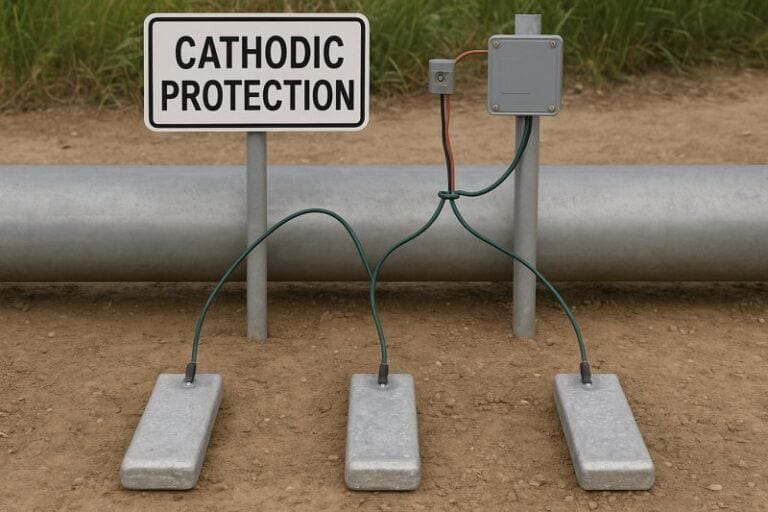
2. Cathodic Protection Systems
Overview
Cathodic protection is one of the most effective methods for preventing external corrosion.
Types:
- Sacrificial Anode System
- Impressed Current System (ICCP)
How It Works:
It redirects corrosion reactions away from the pipeline, protecting the metal surface.
Benefits:
- Long-term protection
- Widely used in the industry
- Highly reliable
3. Corrosion Inhibitors
Overview
Corrosion inhibitors are chemicals added to the pipeline to reduce corrosion rates.
Applications:
- Internal pipeline protection
- Fluid treatment systems
Benefits:
- Easy to apply
- Effective for internal corrosion
- Cost-efficient
4. Regular Inspection and Monitoring
Overview
Routine inspections help detect corrosion early before it becomes severe.
Techniques:
- Smart pigging
- Ultrasonic testing
- Visual inspection
Benefits:
- Early detection
- Prevents major failures
- Supports preventive maintenance
5. Material Selection and Design
Overview
Choosing the right materials during pipeline construction reduces corrosion risks.
Examples:
- Corrosion-resistant alloys
- Coated steel pipes
Benefits:
- Increased durability
- Reduced maintenance needs
6. Pipeline Cleaning (Pigging)
Overview
Cleaning pipelines removes substances that contribute to corrosion, such as:
- Water
- Debris
- Chemical deposits
Benefits:
- Improves flow efficiency
- Reduces corrosion risk
- Enhances inspection accuracy
7. Environmental Control Measures
Overview
External conditions play a major role in corrosion.
Control Strategies:
- Soil stabilization
- Drainage improvement
- Protective coverings
Benefits:
- Reduces environmental impact on pipelines
- Improves long-term performance
8. Advanced Monitoring Technologies
Overview
Modern technologies allow real-time monitoring of corrosion levels.
Examples:
- IoT sensors
- Fiber optic systems
- Corrosion monitoring probes
Benefits:
- Continuous monitoring
- Early warning systems
- Data-driven maintenance
9. Coating Maintenance and Repair
Overview
Over time, coatings can degrade and require maintenance.
Best Practices:
- Regular inspection of coatings
- Immediate repair of damaged areas
Benefits:
- Maintains protective barrier
- Prevents corrosion spread
10. Integrated Corrosion Management Strategy
Overview
The most effective approach combines multiple corrosion control methods.
Key Elements:
- Inspection
- Monitoring
- Prevention
- Maintenance
Benefits:
- Comprehensive protection
- Improved pipeline reliability
- Reduced long-term costs
How Greenspan Concepts Handles Corrosion Control
At Greenspan Concepts, we deliver advanced corrosion control solutions through:
- Application of high-quality protective coatings
- Installation of cathodic protection systems
- Regular inspection and monitoring
- Data-driven maintenance strategies
Our goal is to ensure pipelines remain safe, efficient, and long-lasting.
Benefits of Effective Corrosion Control
1. Extended Pipeline Lifespan
Proper corrosion control significantly increases durability.
2. Reduced Maintenance Costs
Preventing corrosion is cheaper than repairing damage.
3. Improved Safety
Reduces risk of leaks and failures.
4. Environmental Protection
Prevents oil spills and gas leaks.
Conclusion
Corrosion is inevitable, but with the right strategies, it can be effectively controlled. From protective coatings to advanced monitoring systems, modern corrosion control methods are essential for maintaining pipeline integrity.
By partnering with Greenspan Concepts, companies can implement proven corrosion control solutions that ensure long-term success and operational efficiency.