

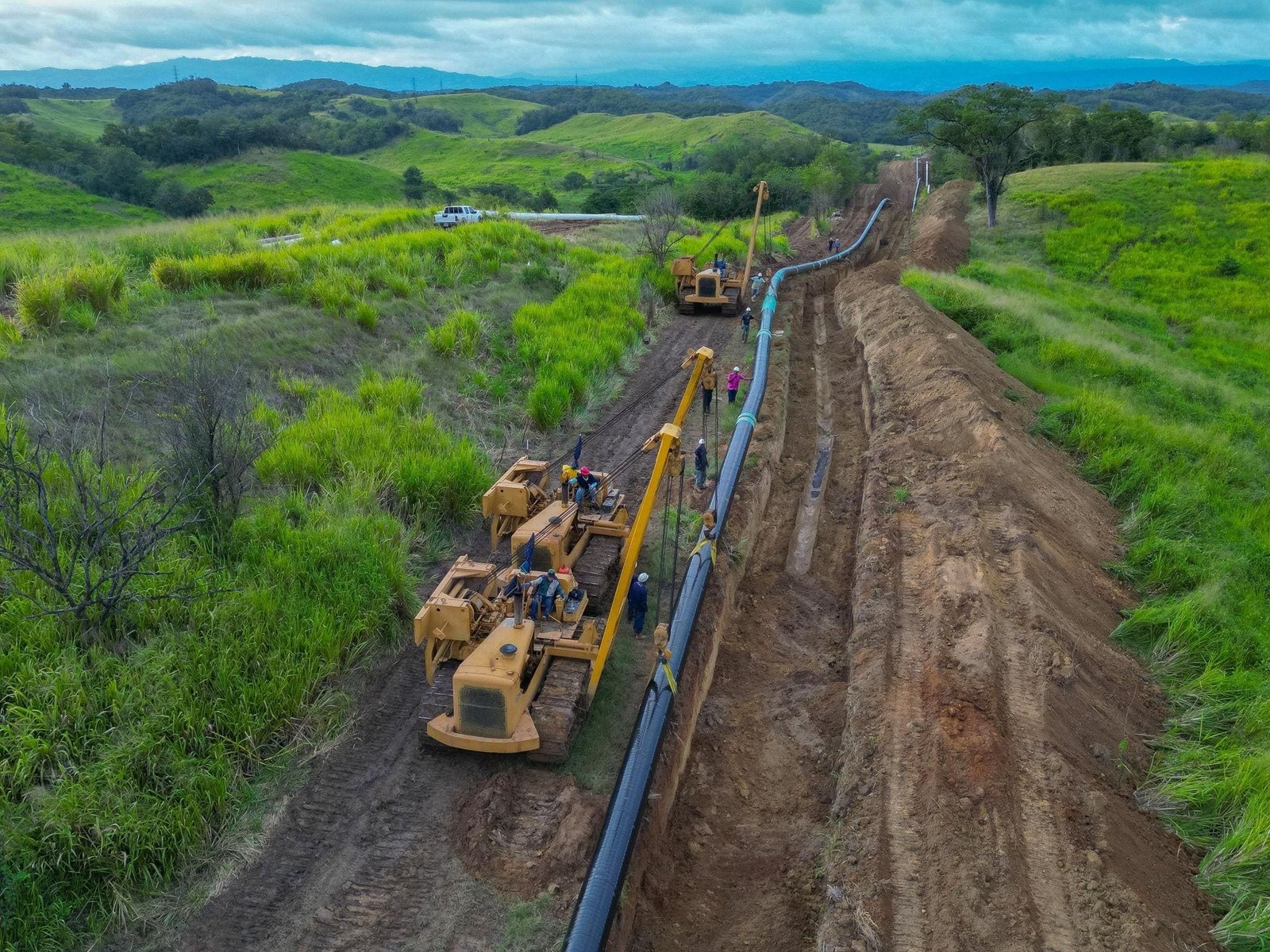
Environmental Protection in Oil & Gas Pipeline Maintenance Projects
Introduction
Environmental protection is a critical concern in the oil and gas industry, especially during pipeline maintenance projects. Pipelines often pass through sensitive ecosystems such as wetlands, forests, and communities, making it essential to minimize environmental impact.
In 2026, companies are expected to adopt sustainable and environmentally responsible practices to protect natural resources while maintaining operational efficiency.
At Greenspan Concepts, we prioritize environmentally friendly approaches to ensure pipeline maintenance activities are conducted with minimal ecological disruption and maximum compliance.
Why Environmental Protection Matters in Pipeline Maintenance
Pipeline maintenance activities can pose risks such as:
- Oil spills and leaks
- Soil and water contamination
- Habitat destruction
- Air pollution
Protecting the environment is not only a regulatory requirement but also a moral and business responsibility.
Key Environmental Risks in Pipeline Maintenance
1. Oil Spills and Leakages
Accidental spills can contaminate land and water, causing long-term damage.
2. Soil Disturbance
Excavation and heavy equipment can damage soil structure and vegetation.
3. Water Pollution
Maintenance near rivers or wetlands can affect water quality.
4. Air Emissions
Equipment and operations can release harmful gases into the atmosphere.
1. Environmental Impact Assessment (EIA)
Overview
Before starting any project, an Environmental Impact Assessment is conducted to evaluate potential risks.
Benefits:
- Identifies environmental risks
- Helps in planning mitigation strategies
- Ensures regulatory compliance
2. Spill Prevention and Control Measures
Overview
Preventing spills is a top priority in pipeline maintenance.
Key Measures:
- Regular pipeline inspection
- Leak detection systems
- Emergency response plans
Benefits:
- Reduces environmental damage
- Improves safety
- Enhances operational reliability
3. Use of Eco-Friendly Equipment and Materials
Overview
Modern pipeline projects use environmentally friendly tools and materials.
Examples:
- Low-emission machinery
- Biodegradable chemicals
- Energy-efficient equipment
Benefits:
- Reduces carbon footprint
- Minimizes environmental impact
4. Minimizing Land Disturbance
Overview
Reducing land disruption is essential during maintenance activities.
Strategies:
- Use of trenchless technology
- Controlled excavation methods
- Restoration of disturbed areas
Benefits:
- Protects vegetation
- Preserves soil integrity
5. Water Protection Strategies
Overview
Special care is required when working near water bodies.
Measures:
- Installing barriers to prevent contamination
- Proper waste disposal
- Monitoring water quality
Benefits:
- Prevents water pollution
- Protects aquatic life
6. Waste Management and Disposal
Overview
Proper waste handling is essential for environmental protection.
Best Practices:
- Segregation of waste
- Safe disposal of hazardous materials
- Recycling where possible
Benefits:
- Reduces pollution
- Ensures compliance with regulations
7. Rehabilitation and Restoration
Overview
After maintenance work, affected areas should be restored to their original condition.
Activities:
- Replanting vegetation
- Soil stabilization
- Land restoration
Benefits:
- Promotes ecosystem recovery
- Improves environmental sustainability
8. Monitoring and Compliance
Overview
Continuous monitoring ensures environmental standards are maintained.
Tools Used:
- Environmental sensors
- Inspection reports
- Compliance audits
Benefits:
- Ensures accountability
- Detects issues early
9. Training and Environmental Awareness
Overview
Workers must be trained on environmental protection practices.
Focus Areas:
- Spill response
- Waste management
- Environmental safety
Benefits:
- Reduces human error
- Promotes responsible operations
10. Adoption of Sustainable Practices
Overview
Sustainability is becoming a key focus in pipeline maintenance.
Examples:
- Renewable energy use
- Reduced emissions
- Efficient resource utilization
Benefits:
- Long-term environmental protection
- Improved corporate reputation
How Greenspan Concepts Ensures Environmental Protection
At Greenspan Concepts, we are committed to:
- Conducting thorough environmental assessments
- Using eco-friendly technologies
- Implementing strict spill prevention measures
- Restoring project sites after completion
Our approach ensures that pipeline maintenance projects are carried out responsibly and sustainably.
Benefits of Environmental Protection in Pipeline Projects
1. Regulatory Compliance
Avoid fines and legal issues by adhering to environmental laws.
2. Enhanced Reputation
Environmentally responsible companies gain trust and credibility.
3. Reduced Environmental Impact
Protect ecosystems and natural resources.
4. Long-Term Sustainability
Ensure future operations remain viable and responsible.
Conclusion
Environmental protection is a vital aspect of pipeline maintenance in the oil and gas industry. By adopting sustainable practices, companies can minimize their impact while maintaining operational efficiency.
With Greenspan Concepts, you can be confident that your pipeline projects will be handled with care, responsibility, and environmental integrity.